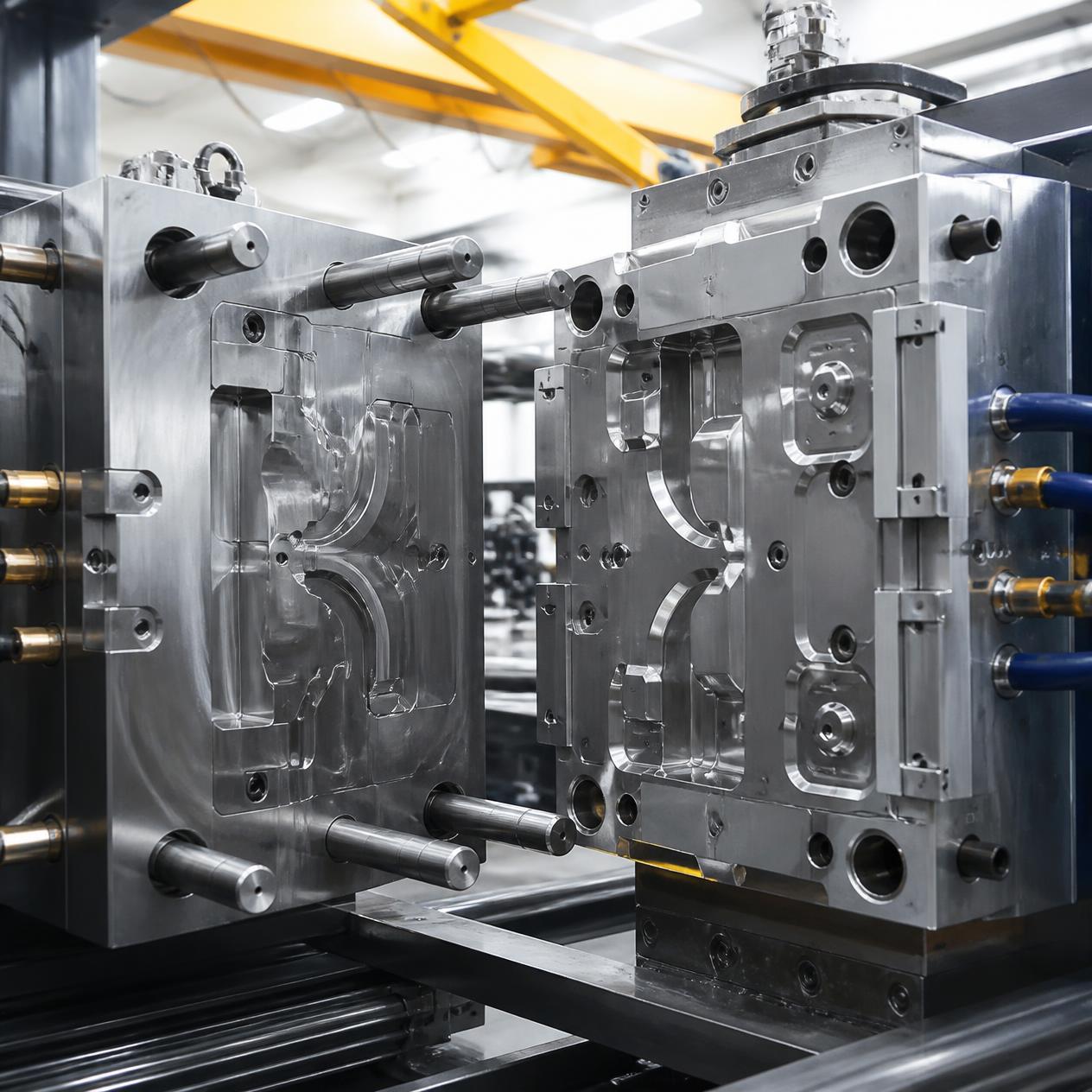
What is Injection Molding

What is 3D Printing?

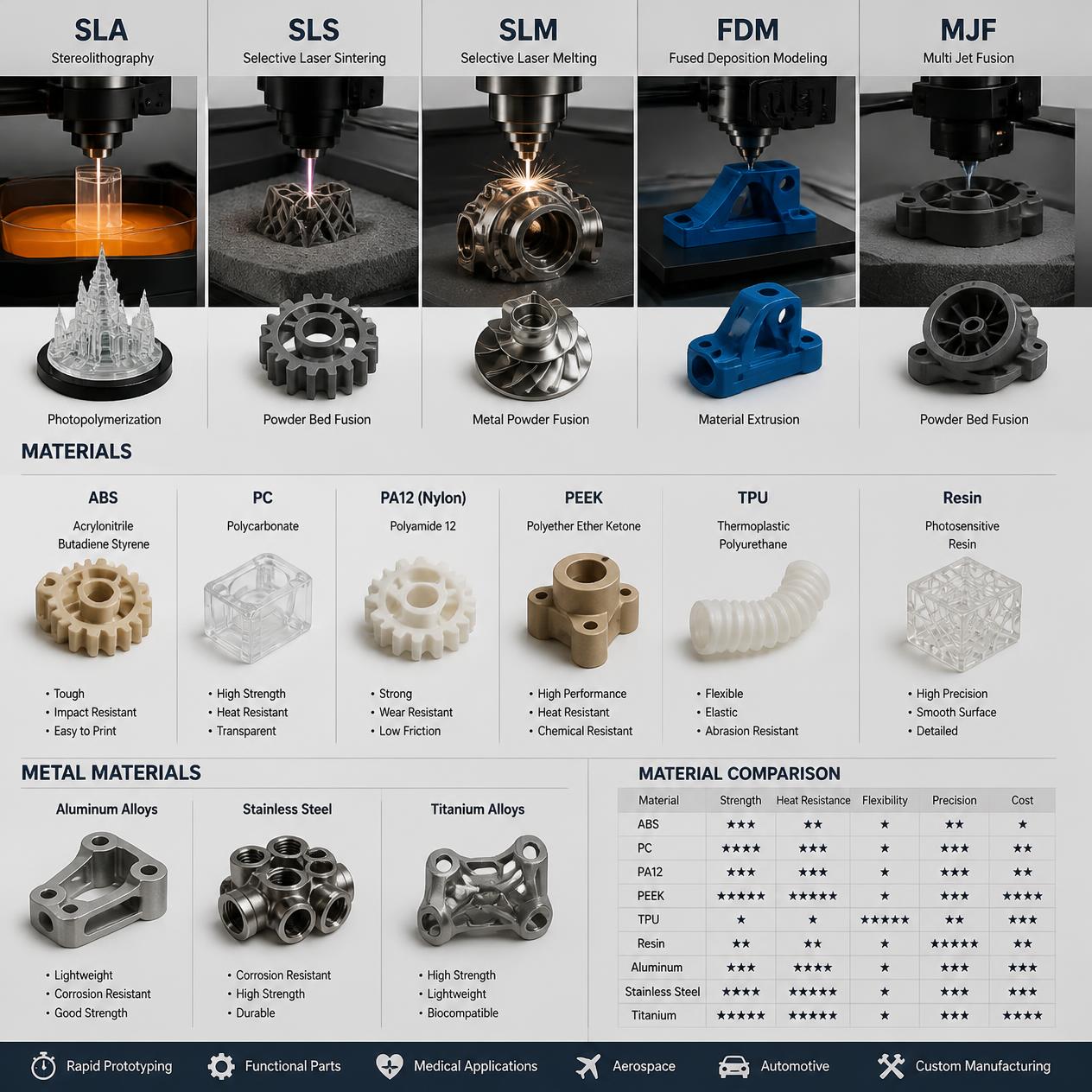
3D printing, also known as additive manufacturing, creates physical parts directly from digital 3D model files by building material layer by layer. Unlike traditional subtractive manufacturing, it enables complex internal structures, lightweight designs, and rapid iteration without the need for expensive tooling or molds.

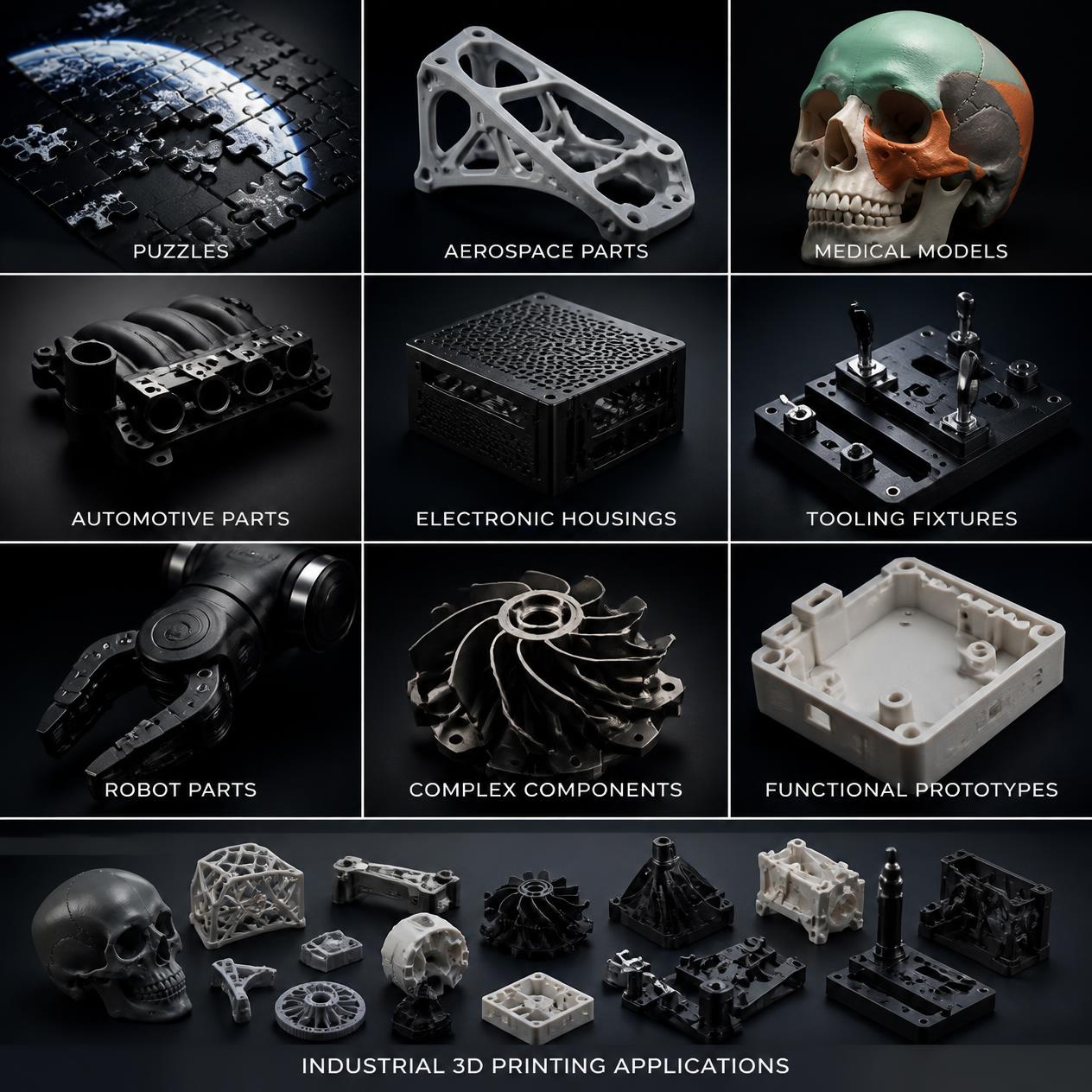
This technology is widely used for functional prototypes, visual models, tooling, jigs & fixtures, and end-use parts. It offers design freedom, reduced material waste, and significantly faster turnaround times compared to conventional methods.

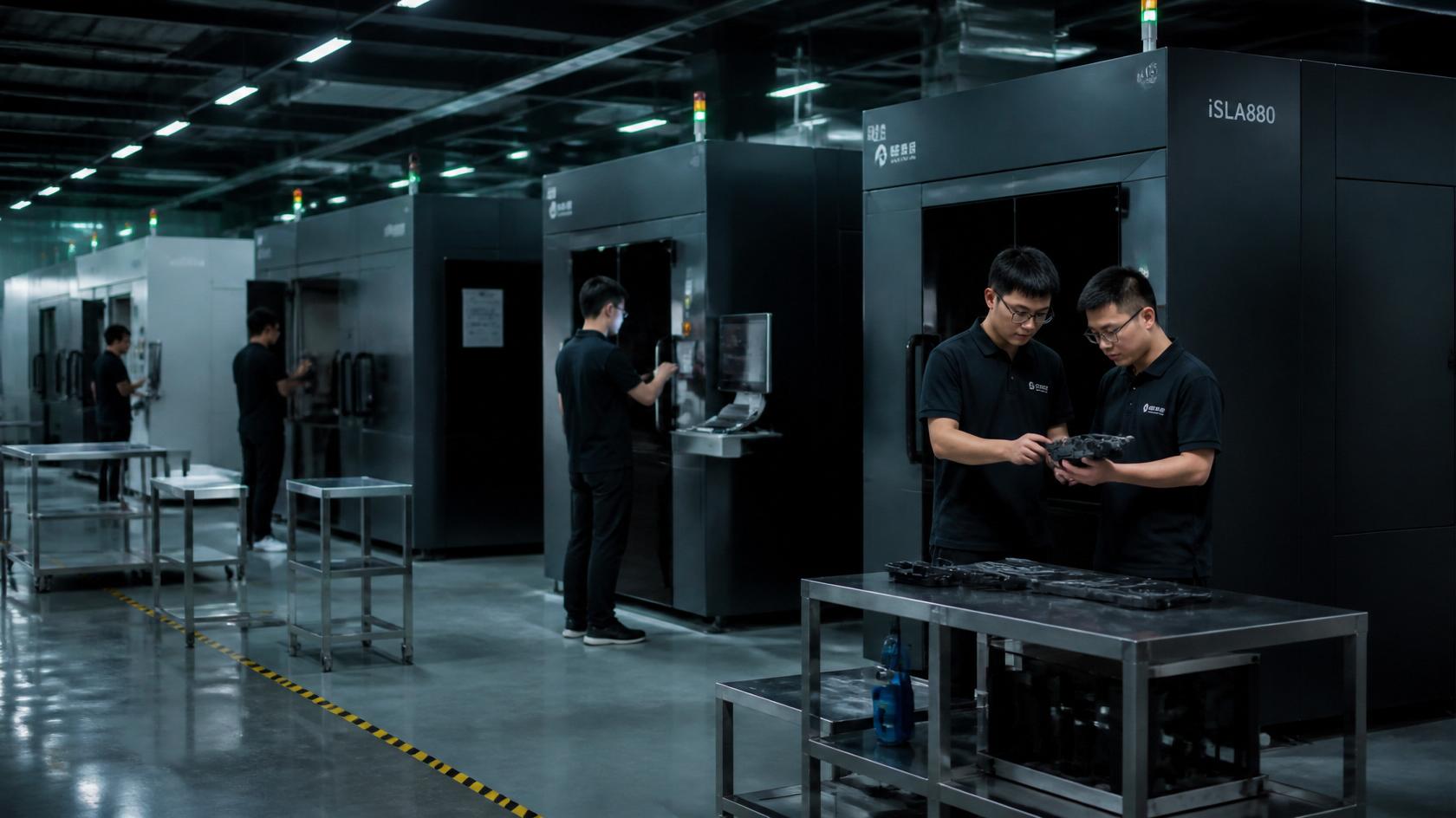
At Imago,we combine advanced industrial 3D printing equipment with deep process expertise to deliver high-quality parts tailored to your specific requirements.

Design Considerations & Capabilities

3D Printing Design Considerations and Capabilities

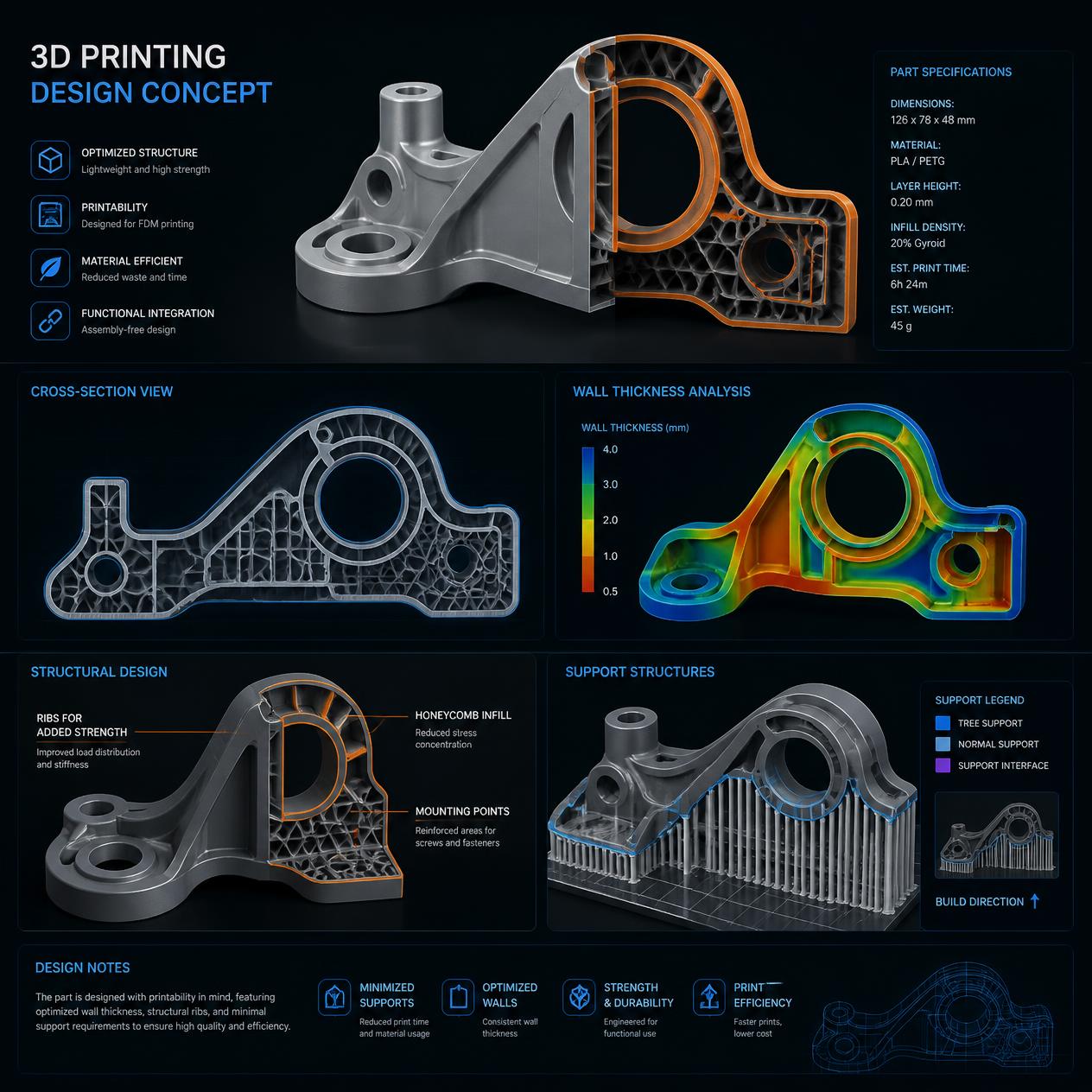
Successful 3D printed parts start with good design. While each technology has specific guidelines, general considerations include:

Minimum wall thickness and feature size (typically 0.5–1.2 mm depending on technology)
Support structure requirements (SLA, SLM, and FDM generally require supports; SLS and MJF usually do not)
Part orientation for optimal strength and surface finish
Tolerances: Typically ±0.2 mm (tighter on critical features possible)
Post-processing needs for improved aesthetics or function

Our experienced engineers review every project and provide practical recommendations to optimize printability, strength, and cost.

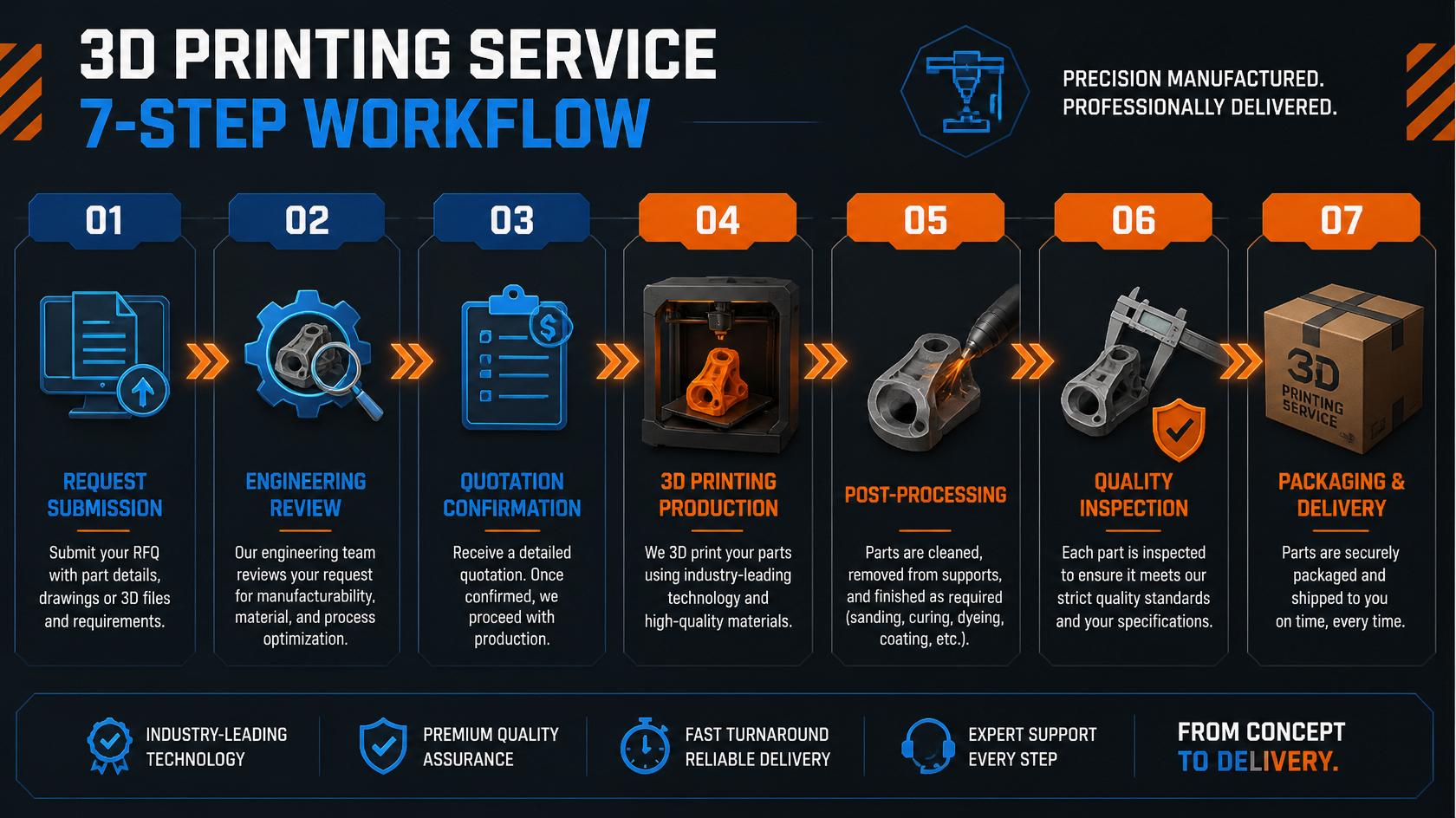
Our 3D Printing Process

1
Submit your project requirements and files
2
Engineering review and technology/material recommendations (manual expert assessment)
3
Detailed quotation and realistic lead time
4
Printing with in-process monitoring
5
Post-processing (support removal, cleaning, surface finishing as required)
6
Quality inspection and documentation
7
Packaging and on-time delivery
You will have a dedicated point of contact throughout the project for clear communication and updates.
Our 3D Printing Process

FREQUENTLY ASKED QUESTIONS

What 3D printing technology should I choose?

It depends on your part’s requirements for strength, detail, surface finish, and quantity. Our engineers will recommend the best option after reviewing your project.

What is the typical lead time?

Lead times vary by technology and complexity — often 1–5 business days for many plastic parts, and longer for metal SLM or complex projects.

What tolerances can you achieve?

Typical tolerances are ±0.2 mm. Tighter tolerances are possible on critical features depending on the technology and geometry.

Do you have a minimum order quantity?

No. We support everything from single prototypes to low-volume production.

How do I get started?

Submit your requirements using the form below. Our team will review your project and provide a detailed quotation.